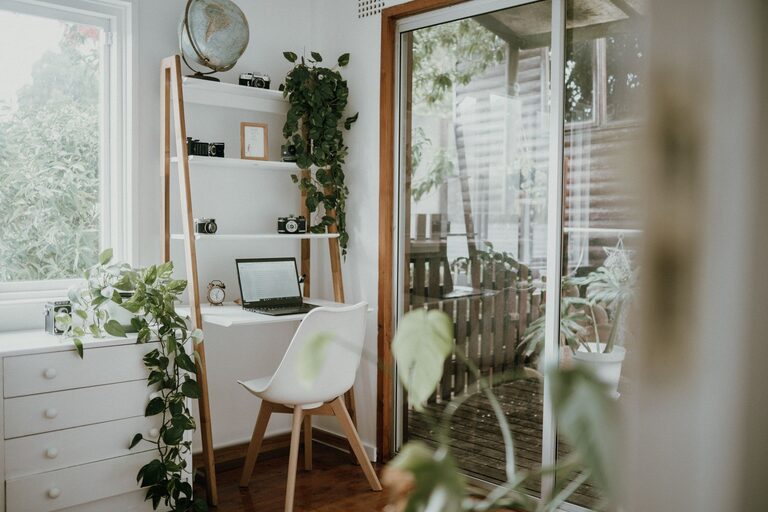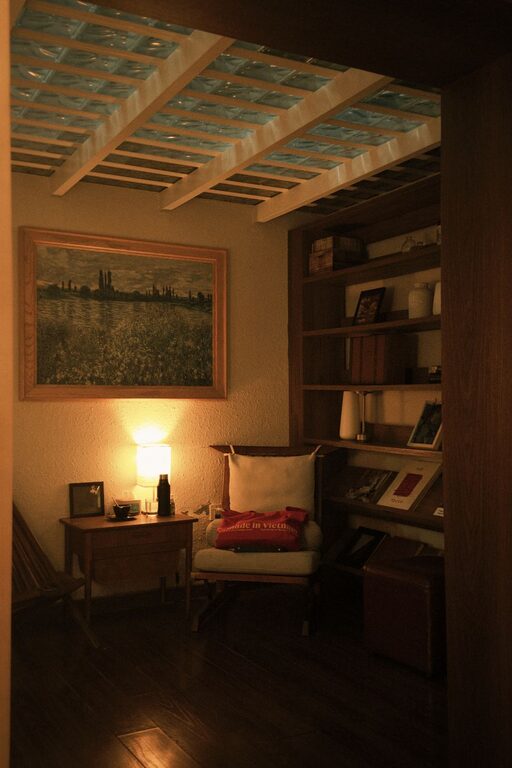
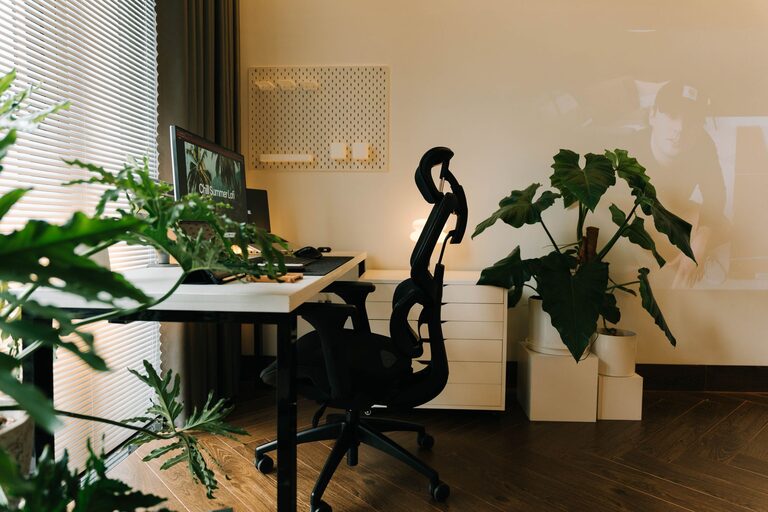
Working from home has become a norm for many people, offering flexibility and comfort. However, without a proper environment, it can also lead to distractions, stress, and burnout. Creating a relaxing home office environment is essential to maintain focus and enjoy your workday. This guide provides practical tips to transform your workspace into a peaceful haven that supports productivity and well-being.
Why a Relaxing Home Office Matters
A relaxing workspace helps you stay focused, reduces stress levels, and increases overall job satisfaction. When your surroundings are calm and organized, your mind is free to concentrate on the tasks at hand. This leads to better performance and a healthier work-life balance.
Choose the Right Location
Selecting the perfect spot for your home office is the first step toward creating a relaxing environment.
– Quiet Area: Pick a place away from household noise and distractions. This might be a spare room, a corner in your bedroom, or even a dedicated nook in the living room.
– Natural Light: Position your desk near a window to benefit from natural sunlight, which improves mood and reduces eye strain.
– Comfortable Temperature: Make sure the space has proper ventilation or heating to stay comfortable throughout the day.
Invest in Ergonomic Furniture
Comfort is key when setting up a home office. Investing in ergonomic furniture can prevent aches and fatigue.
– Ergonomic Chair: Choose a chair that supports your lower back, promotes good posture, and has adjustable height and armrests.
– Adjustable Desk: Consider a desk that fits your height or a sit-stand option to alternate positions during the day.
– Monitor Placement: Position your monitor at eye level, about an arm’s length away, to minimize neck and eye strain.
Declutter and Organize Your Space
A tidy workspace contributes to a peaceful state of mind and improves productivity.
– Minimal Essentials: Keep only necessary items on your desk to avoid clutter.
– Storage Solutions: Use shelves, drawers, or organizers for paperwork, supplies, and personal items.
– Regular Cleaning: Set aside time each week to clean and organize your office, maintaining a neat environment.
Use Soothing Colors and Decor
Colors and decor impact your mood and focus. Opt for calming shades and simple decorations.
– Soft Colors: Light blues, greens, and neutrals can create a soothing atmosphere.
– Personal Touches: Add plants, artwork, or photos that make you feel happy and relaxed without overcrowding the space.
– Natural Elements: Incorporating wood textures, greenery, or stones can bring a sense of nature indoors.
Control Lighting
Proper lighting reduces eye strain and sets the right mood for work.
– Natural Light: Maximize sunlight during the day by keeping windows unobstructed.
– Task Lighting: Use desk lamps or adjustable lighting to brighten your work area when needed.
– Soft Ambient Light: Consider lamps or indirect lighting for a calm atmosphere during early mornings or evenings.
Minimize Noise and Distractions
Noise can interrupt your concentration and increase stress.
– Soundproofing: Use rugs, curtains, or acoustic panels to lessen noise.
– Noise-Canceling Headphones: These can block out distractions if you are in a noisy environment.
– Background Sounds: If silence feels too isolating, try soft background music or nature sounds to maintain a relaxed focus.
Incorporate Break Areas
Taking regular breaks is vital for maintaining energy and preventing burnout.
– Dedicated Space: If possible, create a small area away from your desk for stretching, relaxing, or having a beverage.
– Encourage Movement: Use this space for quick exercises, meditation, or deep breathing.
Set Boundaries and Routines
Creating clear boundaries between work and personal life supports mental well-being.
– Defined Work Hours: Stick to specific start and end times to avoid overworking.
– Routine Rituals: Develop routines that signal the beginning and end of your workday, such as a morning walk or shutting down your computer.
Personalize Your Workspace Wisely
Adding personality to your home office helps make it inviting but be mindful not to overcrowd it.
– Inspirational Items: Place motivational quotes or objects that inspire creativity.
– Avoid Clutter: Keep decorations minimal and purposeful to maintain calm.
Keep Technology Organized
Managing cables and devices helps maintain a clean and efficient workspace.
– Cable Management: Use clips or sleeves to keep cords untangled.
– Essential Devices Only: Limit the number of gadgets on your desk to what you really need.
Final Thoughts
Creating a relaxing home office environment is a balance of comfort, organization, and personalization. By choosing the right location, investing in ergonomic furniture, controlling lighting, and minimizing distractions, you can build a workspace that supports both your productivity and peace of mind. Small changes can make a big difference, helping you enjoy your work-from-home experience every day.